Last Updated: October 12, 2026
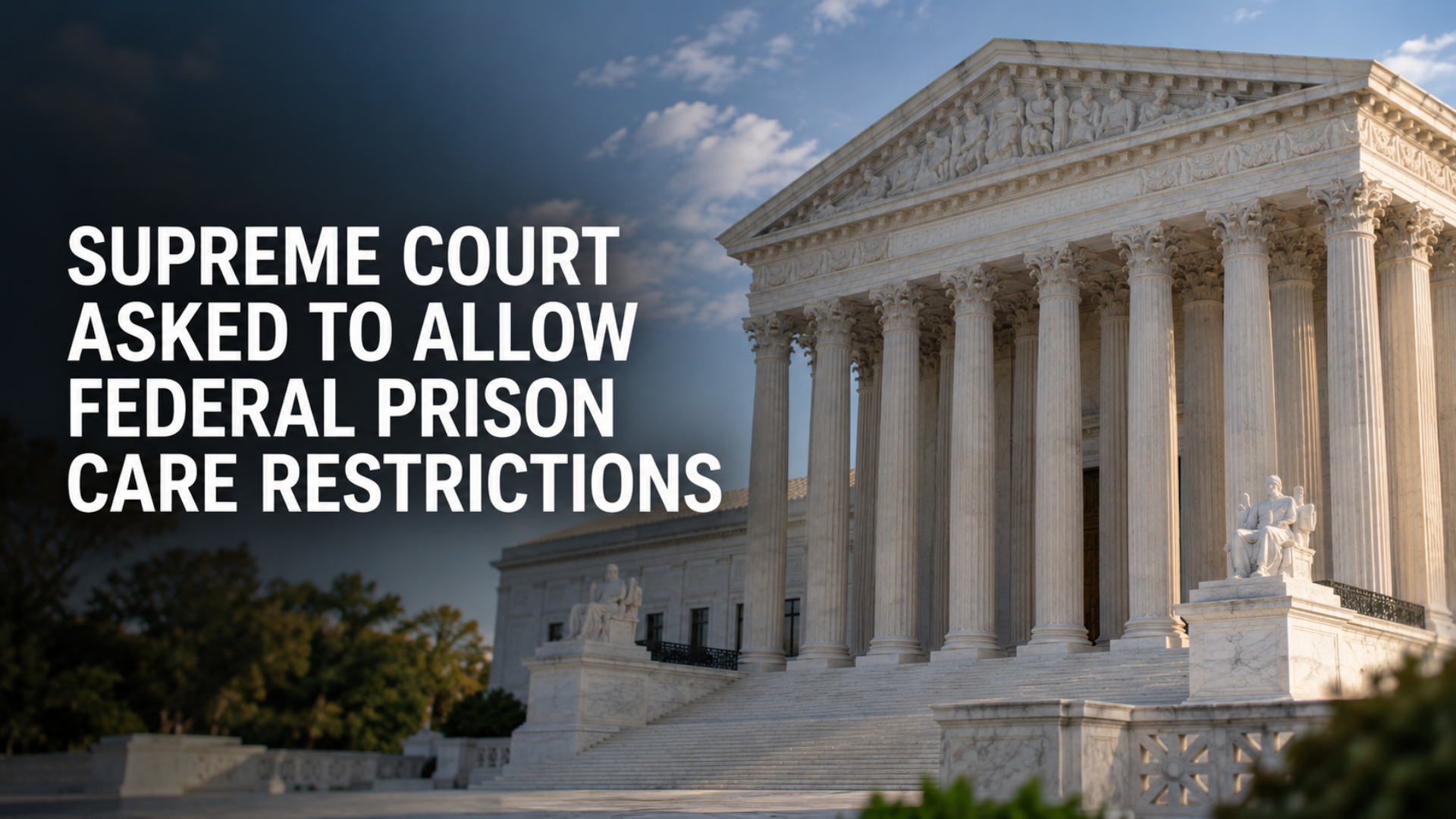
| Quick Report: The Trump administration asked the U.S. Supreme Court on September 28 to allow the Federal Bureau of Prisons to enforce restrictions on gender-affirming care for federal inmates while a legal challenge continues. A federal district judge blocked the policy, and the U.S. Court of Appeals for the D.C. Circuit declined the administration’s request to lift that order on September 18. The Justice Department has now asked the Supreme Court to intervene on an emergency basis. The justices have not yet decided whether the restrictions may take effect while the case proceeds. |
The Justice Department’s emergency request follows a ruling by U.S. District Judge Royce Lamberth in Kingdom v. Trump, a class-action lawsuit brought by federal inmates challenging the Bureau of Prisons’ policy on gender dysphoria care. The case remains pending, and the Supreme Court request concerns whether the policy can be enforced during the litigation rather than whether it is ultimately lawful.
What Does the Federal Prison Policy Change?
The Bureau of Prisons issued its new policy in February 2026 following an executive order directing changes to federal prison medical-care policies. The policy restricts gender-affirming medical and surgical treatments for inmates with gender dysphoria and also limits certain social accommodations related to gender identity.
The policy generally ends hormone therapy for inmates with gender dysphoria and prohibits gender-affirming surgery. It also restricts certain items and accommodations intended to alter an inmate’s appearance, while psychiatric and mental-health services remain available. The new approach represents a change from prior Bureau of Prisons procedures that permitted gender-affirming treatment when clinicians determined it was medically appropriate.
Why Did the Lower Courts Block the Policy?
Three federal inmates challenged the policy in court, and the case was certified as a class action covering people in Bureau of Prisons custody who have, or later receive, a diagnosis of gender dysphoria.
U.S. District Judge Royce Lamberth blocked enforcement of the policy after concluding that the plaintiffs were likely to succeed in showing that the Bureau of Prisons had violated the Administrative Procedure Act. The ruling focused on the agency’s process for changing its policy and did not constitute a final decision resolving every issue in the lawsuit.
The administration appealed and asked the D.C. Circuit to allow the policy to take effect while the case continued. On September 18, the appeals court declined to lift Lamberth’s order. The administration subsequently asked the Supreme Court for emergency relief.
The Justice Department argues that the Bureau of Prisons reasonably changed its approach based on medical, security, and prison-administration considerations. The inmates challenging the policy argue that the restrictions deny them medically necessary care and violate federal law and constitutional protections.
| Do You Know? Transgender prisoners’ access to medical care depends on their individual medical needs and applicable law. Read our guide to Transgender Rights in Prison: Medical Care and Legal Rights to understand these protections and how denied care may be challenged. |
What Happens Next?
The Supreme Court will consider the administration’s emergency request to allow the Bureau of Prisons to enforce the disputed restrictions while the underlying lawsuit proceeds.
Any action by the justices on the emergency request would address the policy’s immediate effect during the litigation. It would not, by itself, finally determine whether the Bureau of Prisons policy is lawful.
As of September 29, the Supreme Court has not issued a decision on the administration’s request. The underlying case remains pending in the lower courts.
Disclaimer: This article is for general informational purposes only and does not constitute legal advice or create an attorney-client relationship. It describes the status of the case as of September 29, 2026. The Supreme Court has been asked to address whether the federal prison policy may take effect while litigation continues; it has not issued a final ruling on the policy’s legality. Court orders and the status of the case may change. Anyone seeking advice about a specific legal matter should consult a qualified attorney.