Last Updated: October 14, 2026
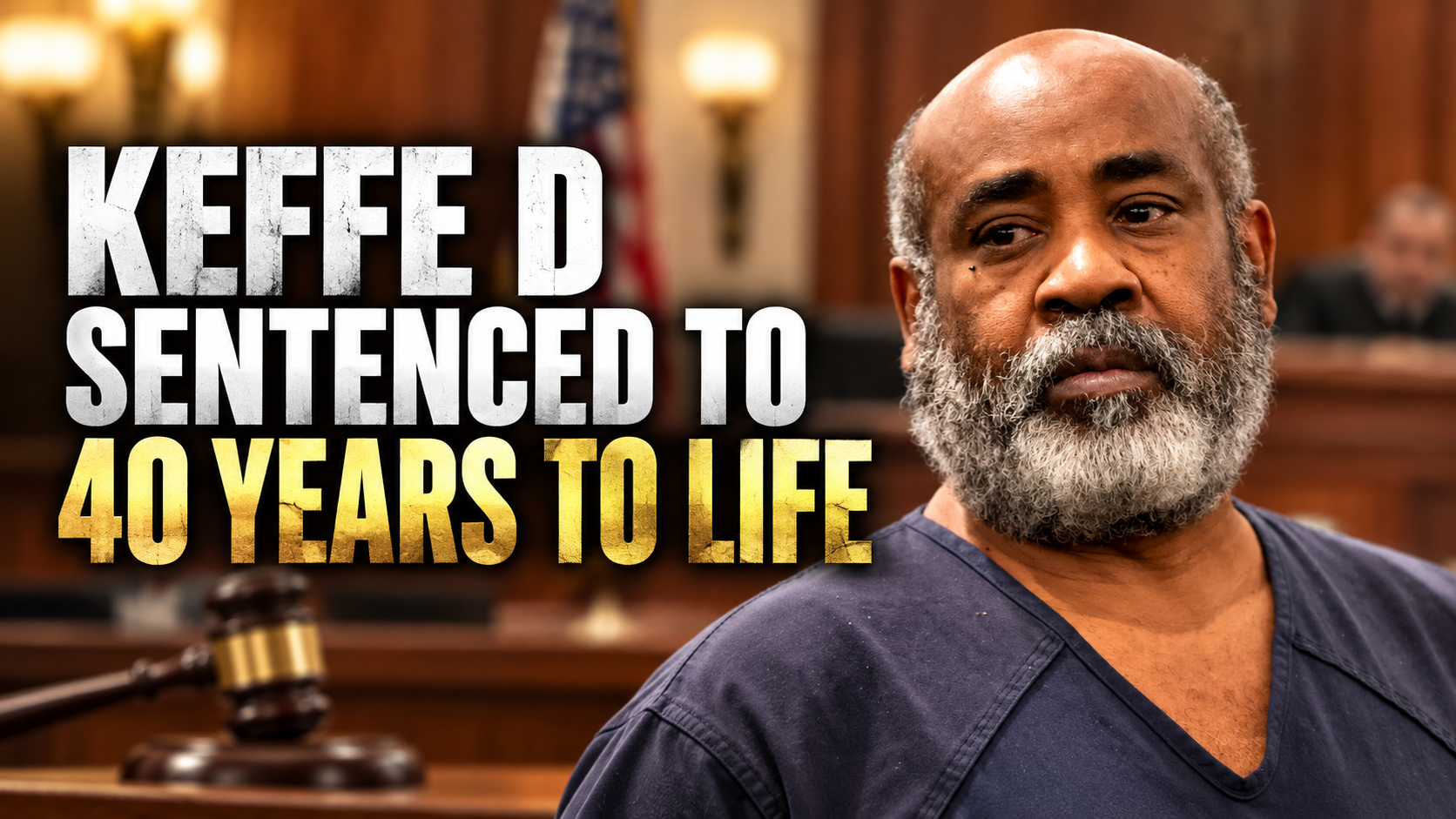
Image Source: Instagram
| Quick Report: Duane “Keffe D” Davis, 63, was sentenced to 40 years to life in prison on October 13, 2026, for orchestrating the 1996 drive-by shooting that killed rapper Tupac Shakur in Las Vegas. Clark County District Court Judge Carli Kierny imposed consecutive sentences of 20 years to life for first-degree murder and an additional 20 years to life for the use of a deadly weapon. Davis was convicted by a Nevada jury on August 31, and his defense plans to appeal. |
Duane “Keffe D” Davis has received a prison sentence of 40 years to life nearly three decades after Tupac Shakur was fatally shot near the Las Vegas Strip.
The sentence follows an August 31, 2026, jury verdict finding Davis guilty of first-degree murder with the use of a deadly weapon. Brownstone Law previously reported on Davis’s murder conviction, which came after an 11-day trial centered on his alleged role in organizing the shooting.
During Tuesday’s sentencing hearing, Judge Carli Kierny imposed two consecutive terms of 20 years to life, bringing Davis’s minimum aggregate prison term to 40 years before parole eligibility, subject to applicable law and credits.
Members of Shakur’s family, including his sister Sekyiwa Shakur and brother Mopreme Shakur, addressed the court about the lasting impact of the rapper’s death.
The judge emphasized the seriousness of Davis’s actions and the devastating loss suffered by Shakur’s family.
Prosecutors Said Davis Organized the 1996 Shooting
Shakur was shot on September 7, 1996, while riding in a BMW driven by Marion “Suge” Knight following a Mike Tyson boxing match in Las Vegas. He died six days later at age 25.
Prosecutors argued that the shooting was retaliation for an altercation earlier that evening involving Shakur and Davis’s nephew, Orlando “Baby Lane” Anderson, at the MGM Grand.
Although Davis was not accused of personally firing the fatal shots, prosecutors maintained that he helped organize the attack and provided the firearm used in the shooting.
The prosecution relied heavily on Davis’s statements during interviews, a 2008 law enforcement recording, and his 2019 memoir, Compton Street Legend, in which he discussed his involvement in the events surrounding Shakur’s death.
The defense argued that Davis had exaggerated or fictionalized portions of his accounts and questioned whether the evidence reliably established his involvement.
Jurors rejected the defense’s arguments and convicted Davis after approximately three hours of deliberations.
Davis, who was arrested in September 2023, remains the only person convicted in connection with Shakur’s murder.
Davis's Defense Plans to Appeal the Murder Conviction
Davis’s attorney, Michael Sanft, has indicated that the defense intends to appeal the conviction.
An appeal could involve challenges to legal rulings made during the trial, including the admission of evidence or other alleged procedural errors. However, the specific grounds of any appeal must be determined from the appellate filings.
Under Nevada law, a criminal defendant generally has 30 days after entry of the judgment of conviction to file a notice of appeal, subject to applicable rules and exceptions.
The sentencing does not automatically conclude the legal proceedings. Davis may seek appellate review of his conviction and sentence, but any change would depend on the issues properly raised and the reviewing court’s decision.
The October 13 sentence marks a major development in one of the most widely followed unsolved murders in American music history, nearly 30 years after Shakur’s death.
Disclaimer: This article is for informational purposes only and does not constitute legal advice. The information reflects court proceedings and legal developments reported as of October 14, 2026. Any appeal is subject to applicable laws, procedural requirements, and judicial review.