Last Updated: September 1, 2026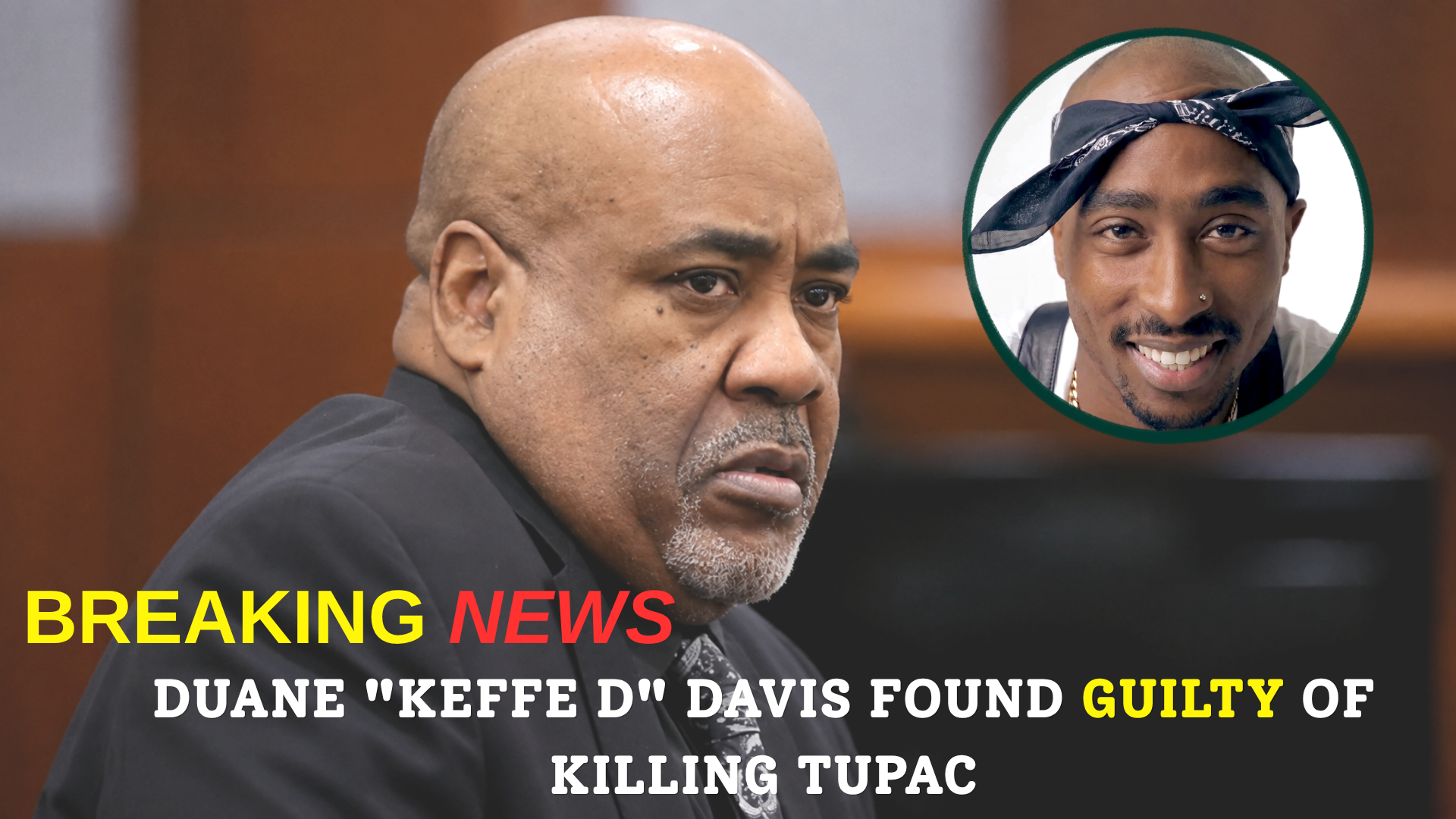
Image Source: Instagram
| Quick Report: A Las Vegas jury has found Duane “Keffe D” Davis guilty of first-degree murder with a deadly weapon for his role in the 1996 killing of rapper Tupac Shakur. Jurors reached the verdict on August 31 after nearly three hours of deliberations following an 11-day trial in Clark County District Court. Davis is scheduled to be sentenced on October 13 and faces a potential maximum sentence of life in prison without parole. After the verdict, Davis told the court that he plans to appeal. |
Duane “Keffe D” Davis has been convicted of first-degree murder nearly 30 years after Tupac Shakur was fatally shot in Las Vegas.
A 12-person jury in Clark County, Nevada, returned the guilty verdict on Monday, August 31, after deliberating for nearly three hours. Davis, 63, was convicted of first-degree murder with a deadly weapon following a trial centered largely on statements he made over the years about his involvement in the events surrounding Shakur’s death.
Shakur was shot on September 7, 1996, while riding in a BMW driven by Death Row Records co-founder Marion “Suge” Knight. He died from his injuries six days later at the age of 25.
Davis was not accused of personally firing the shots. Prosecutors instead argued that he helped organize the retaliatory attack and provided the firearm used in the shooting. Under the prosecution’s theory of the case, Davis could be held criminally responsible for the killing even if another person pulled the trigger.
Prosecutors Relied Heavily on Davis’ Own Statements
A significant part of the prosecution’s case came from Davis’ statements during earlier law-enforcement interviews, later public appearances and his 2019 memoir.
Jurors heard recordings in which Davis discussed being inside the white Cadillac involved in the shooting and described passing a firearm toward the back seat before shots were fired at the vehicle carrying Shakur and Knight.
Prosecutors argued that the attack followed a confrontation earlier that night at the MGM Grand, where Shakur and members of his entourage were involved in a fight with Davis’ nephew, Orlando Anderson. The state maintained that Davis subsequently gathered a group and participated in a retaliatory search for Shakur.
Brownstone Law previously reported on testimony concerning a 2008 police recording in which Davis discussed the shooting and identified his nephew in connection with the gunfire. Read the previous coverage here: Keffe D Told Police His Nephew Shot Tupac, Recording Played at Murder Trial
The August 31 verdict now establishes Davis’ criminal guilt at the trial-court level.
Defense Challenged the Reliability of Davis’ Accounts
Davis’ attorney, Michael Sanft, argued during closing arguments that his client’s past accounts could not be reliably corroborated and should not be treated as truthful descriptions of what occurred.
The defense maintained that Davis had exaggerated or fictionalized portions of his story and challenged the handling of the decades-long investigation, including what it characterized as missing records and law-enforcement problems.
Jurors ultimately rejected the defense position and returned a guilty verdict.
Davis Says He Plans to Appeal the Conviction
After the verdict was announced, Davis told the judge that he plans to appeal the case.
That statement indicates an intention to challenge the conviction, but it should not be treated as confirmation that an appellate court has received or begun deciding an appeal.
A criminal appeal generally does not involve retrying the case before another jury. Instead, appellate review typically examines claimed legal or procedural errors based on the trial-court record. Brownstone Law provides additional information about how criminal appeals differ from trial proceedings in its guide to criminal defense appeals.
Davis is scheduled to be sentenced on October 13, 2026. The conviction carries a potential maximum sentence of life imprisonment without the possibility of parole.
The verdict represents the first conviction arising from Shakur’s 1996 killing and marks a major development in a criminal investigation that remained unresolved for decades.
Disclaimer: This article is provided for general informational purposes and reports on a publicly reported criminal proceeding. Duane Davis has been convicted at the trial-court level, but sentencing and any subsequent appellate proceedings remain pending. His stated intention to appeal does not mean that an appellate court has overturned, modified, or otherwise ruled on the conviction. This article does not constitute legal advice.