
First-Degree vs. Second-Degree Murder: Key Differences, Sentencing, and Appeals

Key Takeaways First-degree murder generally involves a willful, deliberate, and premeditated killing or another killing specifically classified as first-degree murder by law. Second-degree murder generally involves an unlawful killing committed with the malice or mental state required for murder but without the additional circumstances necessary for first-degree murder. Both offenses can result in lengthy imprisonment, […]
Compassionate Release From Federal Prison: Eligibility, Requirements, and How to Apply

Key Takeaways Compassionate release allows a federal court to reduce a prison sentence when qualifying extraordinary and compelling reasons exist under 18 U.S.C. § 3582(c)(1)(A). Serious medical conditions, advanced age, exceptional family circumstances, and certain other situations may support compassionate release from federal prison. A prisoner may ordinarily seek court review after exhausting the applicable […]
Can You Appeal a Life Sentence Without Parole? Grounds, Deadlines, and Options

Key Takeaways A life sentence without parole (LWOP) can generally be challenged on appeal, even though it removes eligibility for ordinary parole. An appeal may challenge the conviction, the sentence, or both, depending on the legal errors involved. Potential grounds for appealing an LWOP sentence include an unauthorized sentence, prejudicial trial errors, insufficient evidence, constitutional […]
What Is Capital Punishment? Understanding the Death Penalty in the United States

Key Takeaways Capital punishment, also called the death penalty, is the legal punishment of death for certain qualifying crimes, but a death sentence does not automatically result in execution. As of 2026, 27 U.S. states retain the death penalty, while 23 states have abolished it; the federal government and U.S. military also retain capital punishment. […]
What Happens When Post-Conviction Relief Is Denied? Options and Next Steps

Key Takeaways A denial of post-conviction relief generally leaves the conviction and sentence in effect, but further review may still be available depending on the court, reason for denial, and procedural history. The first step after a denial is to review the complete order, docket, and applicable deadlines, while preserving transcripts, exhibits, affidavits, expert reports, […]
Transgender Rights in Prison: Medical Care and Legal Rights

Key Takeaways Transgender prisoners retain constitutional protections concerning serious medical needs, protection from known risks of harm, and conditions of confinement, although the applicable legal standard depends on the claim and custodial status. Gender dysphoria may qualify as a serious medical need, but the constitutional right to adequate medical care does not automatically require prisons […]
Can You Appeal a Conviction After Sentencing? Deadlines, Grounds, and Next Steps

Key Takeaways A defendant can generally appeal a conviction after sentencing by challenging legal errors affecting the conviction, the sentence, or both. Federal defendants generally have 14 days after entry of judgment to file a notice of appeal. State deadlines and triggering events differ; the notice deadline is separate from the appellate briefing deadline. A […]
What Happens When a Conviction Is Overturned? Detailed Process Explained

Key Takeaways An overturned conviction means the existing conviction can no longer legally remain in effect, but it does not automatically end the criminal case or establish factual innocence. After a conviction is overturned, the case may result in a new trial, dismissal, further proceedings in the lower court, resentencing, or release, depending on the […]
How To Appeal an Eviction in Michigan: Deadline, Stay, Bond, and Circuit Court Process

Key Takeaways A Michigan eviction judgment is generally appealed from the district court to the circuit court in the same county, and an appeal of right from a possessory judgment usually must be filed within 10 days after entry of the judgment. Filing an eviction appeal does not automatically stop enforcement of the judgment. A […]
How Does a Case Get to the U.S. Supreme Court? A Step-by-Step Guide
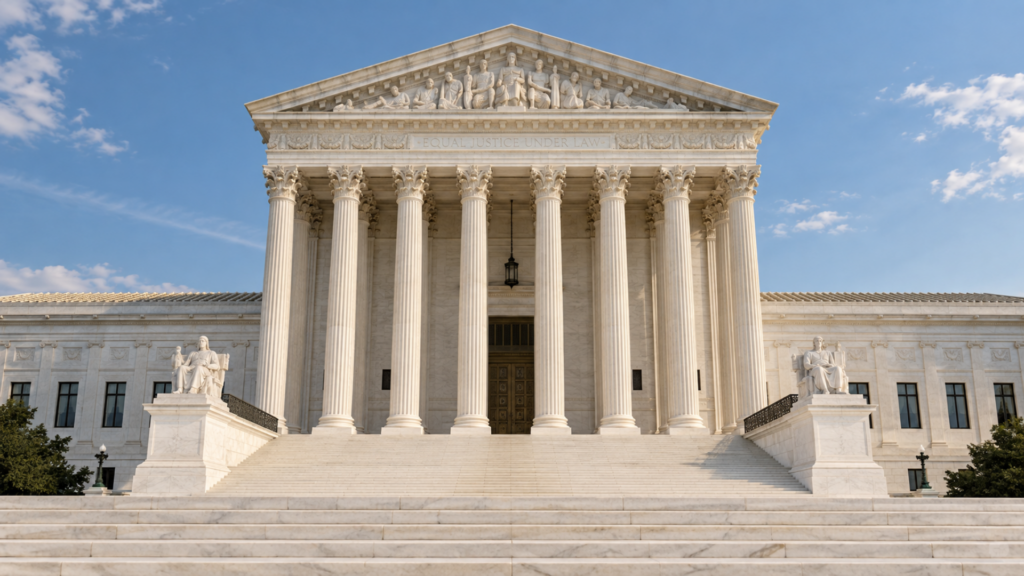
Key Takeaways Most cases reach the Supreme Court through a certiorari petition after lower-court appeals. State cases generally must raise a federal question. At least four justices must vote to grant certiorari. A docket number or response request does not confirm acceptance. Certiorari petitions are generally due within 90 days of the relevant judgment or […]