Last Updated: September 24, 2026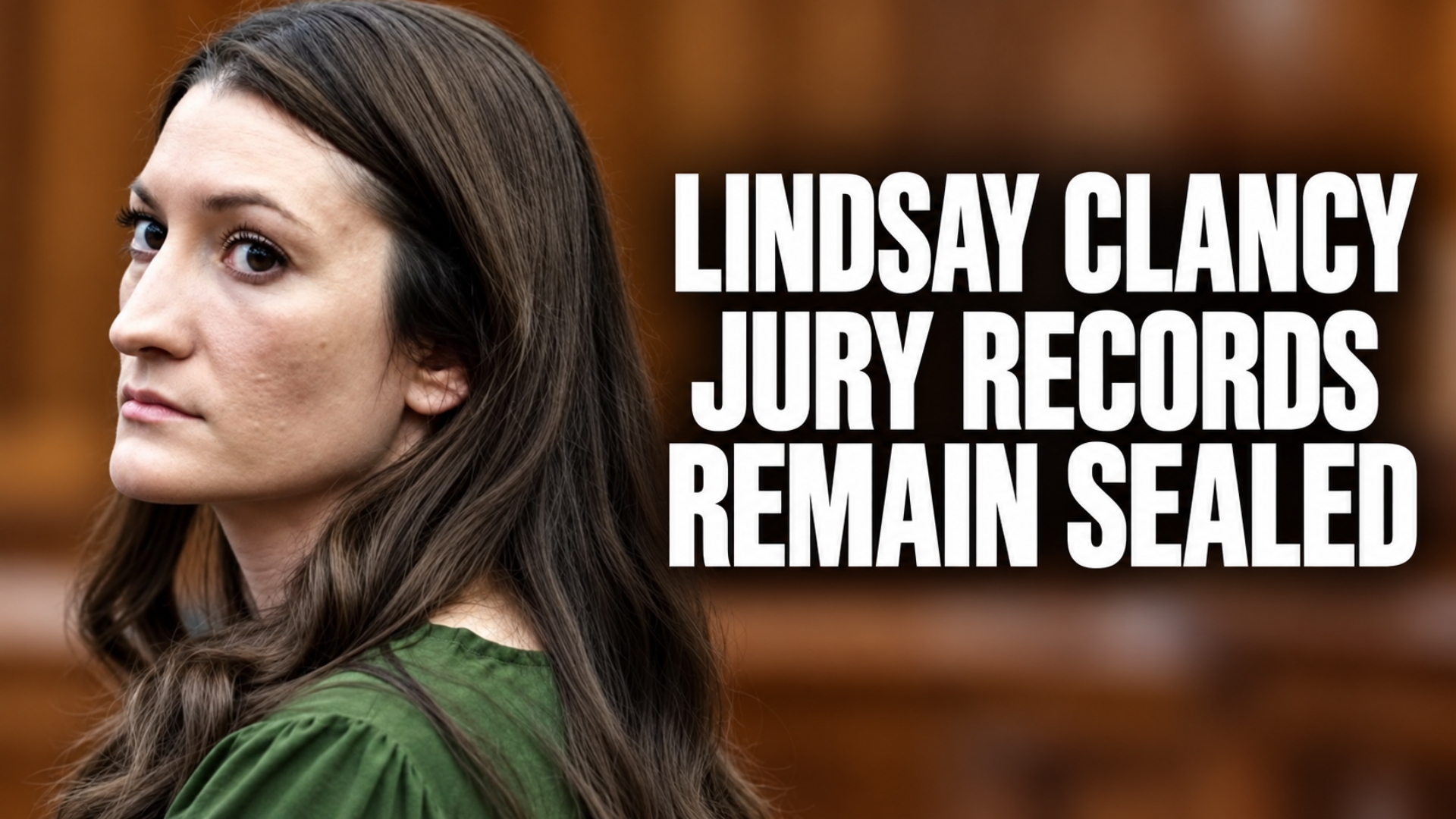
Image Source: Instagram
| Quick Report: The judge in Lindsay Clancy’s Massachusetts murder case has extended an order keeping the trial’s juror list and questionnaires from public access. Judge William Sullivan cited the intense attention surrounding the case and concerns for jurors who have chosen to remain anonymous. The order addresses access to jury records; it does not decide Clancy’s pending requests for an investigation of the holdout juror or dismissal of the charges. |
A Massachusetts judge has kept the names and questionnaires of prospective jurors in Lindsay Clancy’s murder trial sealed following the September 4 mistrial. The order extends an existing restriction on public access and will remain in place unless the court directs otherwise. Attorneys for the parties may still be able to access the records.
The decision comes as Clancy’s defense asks the court to examine the conduct of the lone juror who did not support a finding that she lacked criminal responsibility. Brownstone Law covered those requests in its earlier report, Lindsay Clancy Seeks Holdout-Juror Investigation and Dismissal After Mistrial.
Why Did the Judge Keep the Jury Records Sealed?
Judge Sullivan cited the public attention and divided reaction to the case. Although some jurors have spoken publicly since the mistrial, others have chosen to remain anonymous. His order keeps the juror list and questionnaires out of public view because of concerns about potential harm to jurors and the integrity of their service.
The order concerns public access to records. It does not establish whether any juror acted improperly, and it does not prevent a juror from voluntarily speaking about the case.
How Does the Order Affect Clancy’s Defense Motions?
Clancy’s lawyers have separately asked the judge to investigate allegations concerning the holdout juror, including alleged cellphone use during deliberations and answers given during jury selection. They have also moved to dismiss the charges on double-jeopardy grounds, arguing that the circumstances of the mistrial should prevent another trial. Those are defense allegations and legal arguments, not findings by the court.
The order sealing jury records does not resolve either motion. The judge has not ruled that juror misconduct occurred or dismissed the charges.
What Happens Next?
The court must still address the defense’s requests concerning a juror inquiry and dismissal. Clancy remains charged following the mistrial, which ended without a unanimous verdict. Any ruling on the pending motions would be a separate development from the order restricting public access to jury records.
Disclaimer: This article is for general informational purposes and does not constitute legal advice. It reflects reported proceedings through September 24, 2026. Allegations in pending motions should not be treated as judicial findings.