Last Updated: October 22, 2026
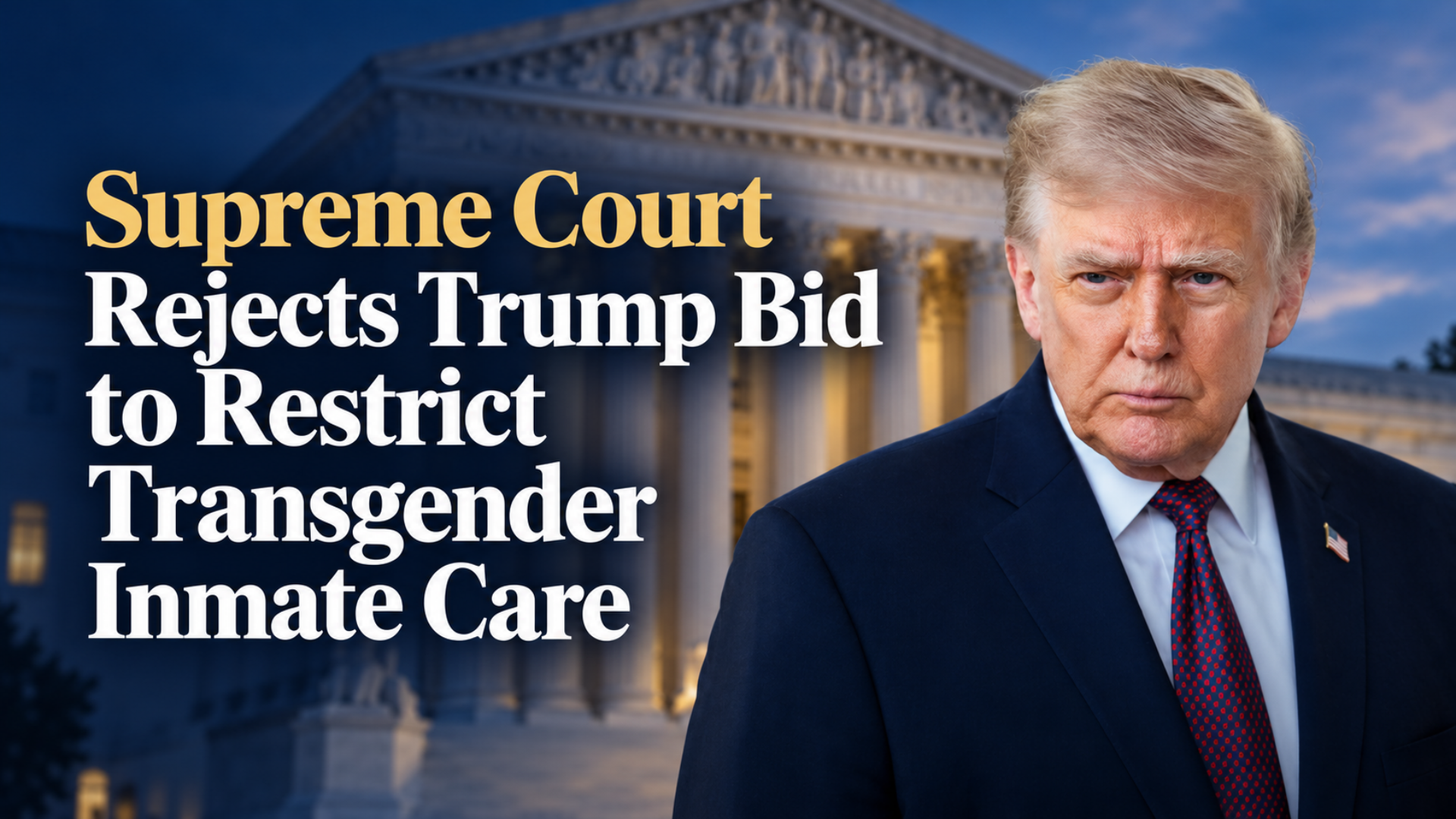
Image Source: Instagram
The order in Trump v. Kingdom, No. 26A416, prevents the administration from immediately implementing the challenged Bureau of Prisons policy. It does not finally determine whether that policy is lawful.
The Justice Department said it was disappointed but would continue its appeal in the U.S. Court of Appeals for the District of Columbia Circuit.
What Restrictions Did the Trump Administration Seek to Enforce?
The Bureau of Prisons’ February 2026 policy would stop new hormone treatment, taper existing hormone therapy, and prohibit gender-related surgeries. It would also end social accommodations such as wigs and makeup, while prioritizing psychotherapy for gender dysphoria.
The policy followed Trump’s January 2025 executive order restricting federal spending on gender-transition-related treatment in federal prisons. Three incarcerated plaintiffs challenged the restrictions through a class-action lawsuit, arguing that withdrawing medically necessary care would cause serious harm.
The government defended the changes as an exercise of the bureau’s medical and institutional judgment. It argued that security and prison-administration concerns outweighed the benefits of the disputed treatments and accommodations.
Why Did the Lower Courts Block the Federal Prison Policy?
U.S. District Judge Royce Lamberth blocked the policy in June after finding that the Bureau of Prisons appeared not to have adequately considered its own experience providing the care. His analysis focused on whether the agency’s decision-making complied with the Administrative Procedure Act.
The district court renewed its preliminary injunction on August 26. On September 18, a divided D.C. Circuit panel refused to pause that order, finding that the government had not shown a strong likelihood of success on the question of whether the policy was arbitrary and capricious.
The majority questioned the bureau’s reliance on security concerns without addressing whether those problems had occurred under its previous policy. Dissenting Judge Justin Walker would have granted a stay, questioning the district court’s authority to reissue the preliminary injunction under the Prison Litigation Reform Act.
The administration then asked the Supreme Court to intervene. Its October 21 denial leaves the operative injunction undisturbed.
What Happens Next After the Supreme Court Denied the Stay?
The administration’s appeal will proceed in the D.C. Circuit. The Supreme Court’s action resolves the immediate request to suspend the injunction, rather than the merits of the underlying lawsuit.
For now, the challenged restrictions remain blocked under the operative lower-court order. Further proceedings may affect that relief, and the dispute could return to the Supreme Court after the appeals court acts.
Related coverage: Brownstone Law’s Transgender Rights in Prison: Medical Care and Legal Rights explains the broader legal framework for prison medical-care claims.
Disclaimer: This article provides general information, not legal advice. The Supreme Court’s denial of emergency relief is not a final ruling on the policy’s legality.