Last Updated: August 31, 2026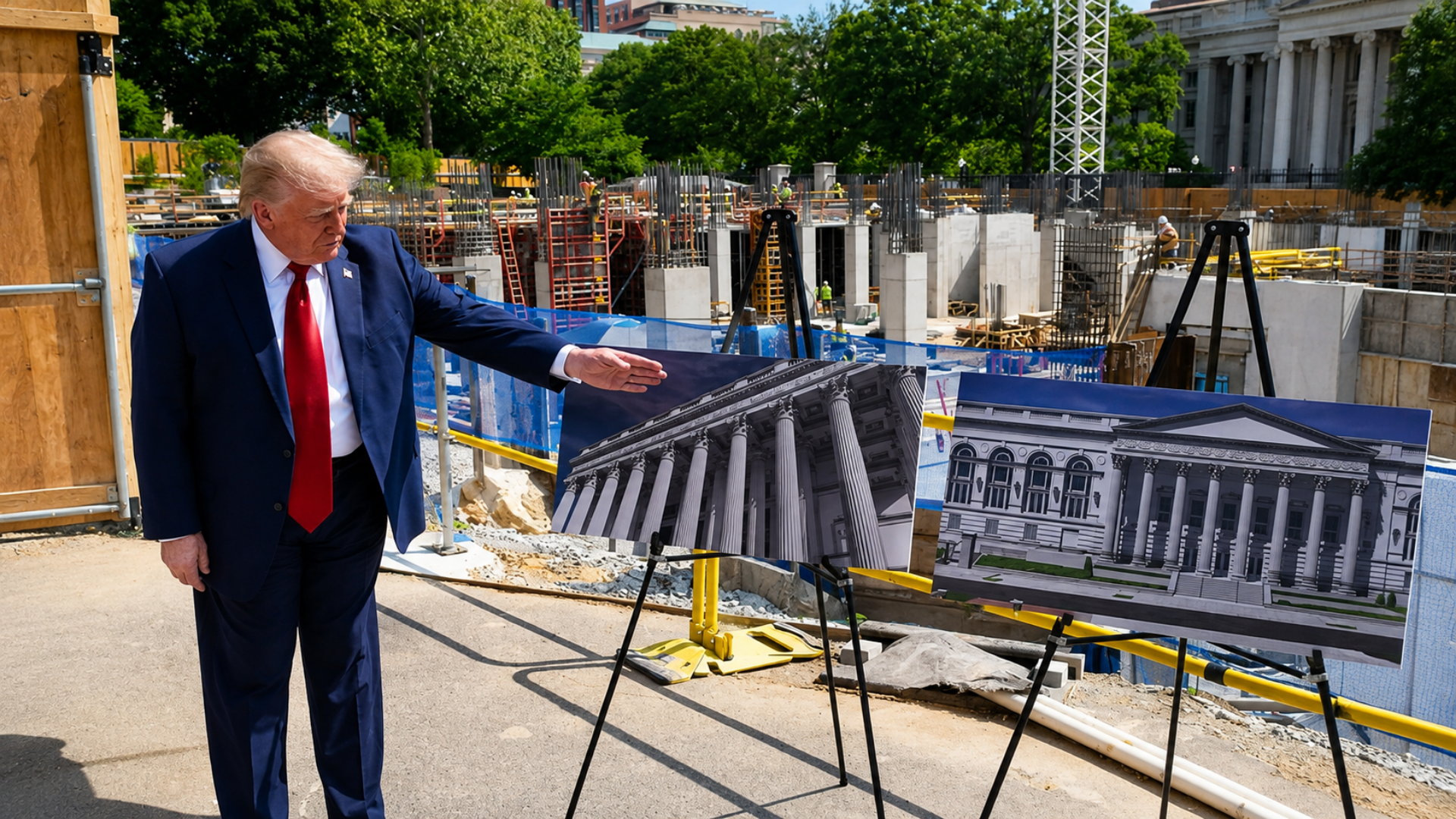
Image Source: Instagram
| Quick Report: Chief Justice John Roberts temporarily stayed a federal preliminary injunction on August 21, allowing above-ground construction on President Donald Trump’s White House ballroom project to continue for now. The order remains in effect pending further action by Roberts or the U.S. Supreme Court. The temporary action does not resolve the legality of the ballroom project, overturn the lower courts’ rulings on the merits, or finally decide the administration’s pending request for a longer stay. The underlying lawsuit brought by the National Trust for Historic Preservation remains ongoing. |
Chief Justice John Roberts has temporarily stayed a lower-court injunction that would have restricted above-ground construction of President Donald Trump’s White House ballroom project, allowing that work to continue while the U.S. Supreme Court considers the dispute.
The August 21 order is the latest development in National Park Service, et al. v. National Trust for Historic Preservation in the United States, No. 26A203.
Roberts ordered that the preliminary injunction entered by the U.S. District Court for the District of Columbia on April 16, 2026, be stayed “pending further order” of the Chief Justice or the Court.
The order provides temporary relief while the Supreme Court considers the federal government’s application seeking a stay during further review. It does not decide the underlying merits of the case.
D.C. Circuit Had Upheld the Preliminary Injunction
The dispute reached the Supreme Court after a divided panel of the U.S. Court of Appeals for the D.C. Circuit affirmed the district court’s modified preliminary injunction on August 7.
The injunction generally restricted above-ground construction of the proposed ballroom while allowing below-ground work on bunkers, bomb shelters, military and medical infrastructure to continue.
It also permitted above-ground work strictly necessary to protect those facilities, provide for the safety of the president and White House personnel, or preserve the safety and structural integrity of the site.
At the preliminary-injunction stage, the D.C. Circuit majority concluded that the National Trust had shown a likelihood of success on its claims concerning the government’s statutory authority to proceed with the ballroom project.
The appeals court stayed its own decision for 14 days, giving the federal government an opportunity to seek Supreme Court intervention before the restrictions took effect.
Roberts issued the temporary stay on August 21.
Administration Asked Supreme Court to Keep Construction Moving
In its Supreme Court filings, the federal government argued that the ballroom is part of a larger integrated White House complex that includes significant security infrastructure.
The administration maintained that interrupting construction could affect national-security interests because the above-ground and below-ground portions of the project were designed as an integrated structure.
It also told the Court that the overall East Wing project was approximately 65% complete when it sought emergency relief.
The National Trust opposed the request, maintaining that the existing injunction already allowed underground security construction and other work necessary to protect the White House while restricting construction of the ballroom itself.
Brownstone Law previously reported on these competing arguments in Trump Administration Cites Security Risks as Supreme Court Weighs White House Ballroom Stay.
What Did Chief Justice Roberts Actually Decide?
The August 21 order is limited in scope.
Roberts did not issue a final ruling that the ballroom project is lawful. The Supreme Court also did not, through this order, reverse the D.C. Circuit’s decision or finally resolve whether the administration has sufficient legal authority to complete the project without additional congressional authorization.
Instead, the order temporarily prevents the April 16 preliminary injunction from taking effect while Roberts or the full Supreme Court considers what further action to take.
As a practical matter, construction that would have been restricted by the preliminary injunction may continue while the temporary stay remains in place.
The Supreme Court’s docket, as of August 31, does not show a subsequent order finally resolving the government’s stay application.
For more information about the legal effect of temporary Supreme Court relief, see Brownstone Law’s guide to what a Supreme Court stay means and how it works.
Disclaimer: This report is provided for general informational purposes only and concerns ongoing federal litigation. The August 21, 2026 order temporarily stays a preliminary injunction and does not constitute a final Supreme Court ruling on the merits of the underlying lawsuit or the ultimate legality of the White House ballroom project. Statements concerning the positions of the federal government and the National Trust for Historic Preservation describe arguments made by the parties and should not be treated as final judicial findings. The procedural status of the case may change as additional orders or decisions are issued. This article does not constitute legal advice.