Last Updated: August 24, 2026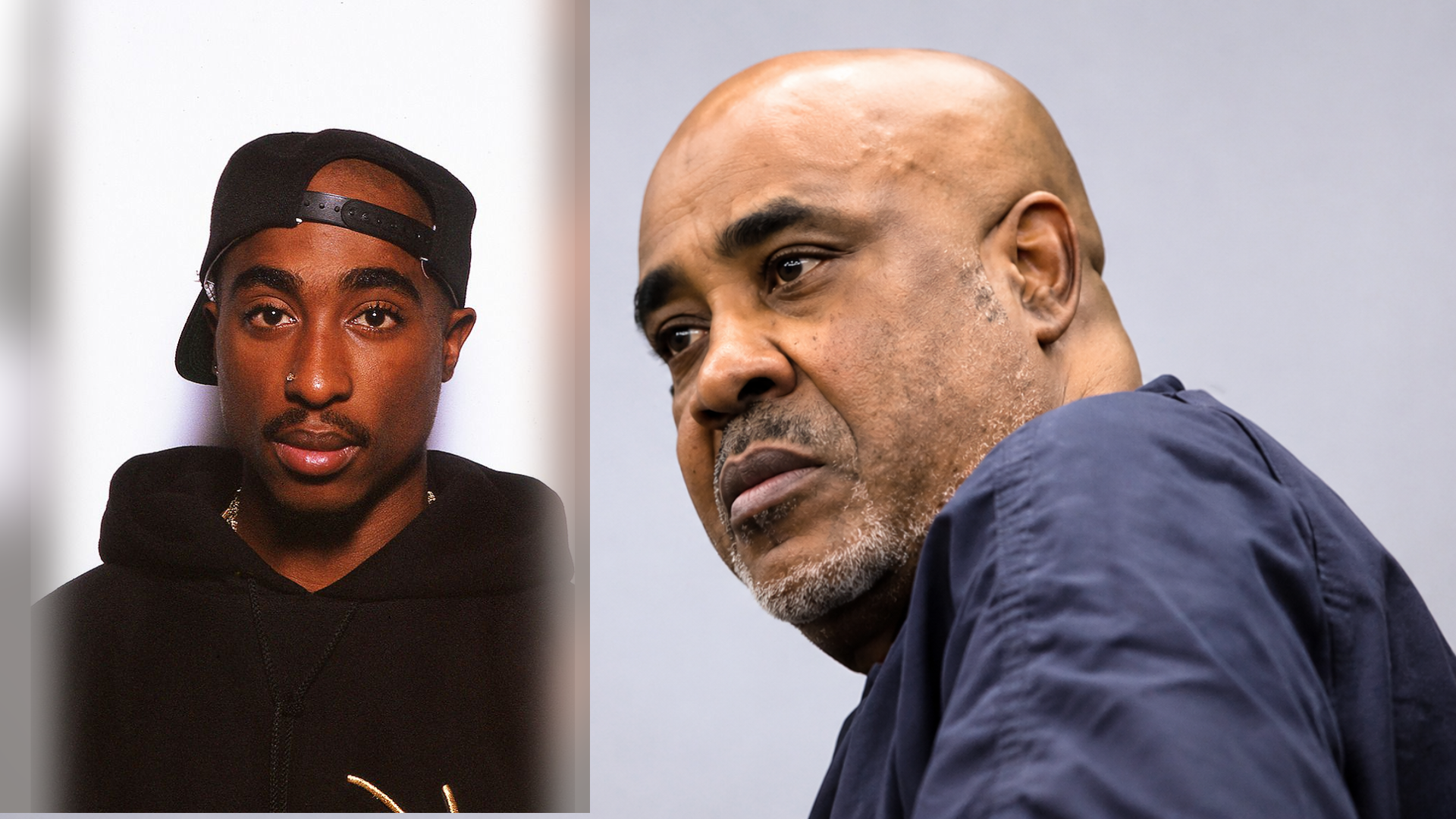
Image Source: Pinterest
| Quick Report: Jurors in Las Vegas have heard a 2008 police recording in which Duane “Keffe D” Davis said his nephew, Orlando “Baby Lane” Anderson, fired the shots that killed Tupac Shakur in 1996. Davis also described supplying the gun used in the drive-by shooting. Prosecutors are relying on the recorded interview, Davis’ later public statements and his memoir to support their allegation that he organized the attack. Davis has pleaded not guilty, and his attorney argues that his previous accounts were fabricated and lack corroborating evidence. |
Jurors in Duane “Keffe D” Davis’ trial in the Tupac Shakur murder case heard him identify his nephew as the person who fired the fatal shots at Tupac Shakur in a police interview recorded approximately 12 years after the killing.
The recording was played in Clark County District Court on Thursday, August 20, 2026. In the interview, conducted in 2008, Davis described being inside the white Cadillac that pulled alongside the BMW carrying Shakur and Death Row Records co-founder Marion “Suge” Knight on September 7, 1996.
According to Davis’ recorded account, he passed a gun to Deandre “Big Dre” Smith, who was seated in the back of the Cadillac. Davis said Smith did not want the weapon and that Orlando Anderson took it before firing at Shakur’s vehicle.
Anderson denied involvement in Shakur’s killing before his death in 1998. Davis’ statements were presented to the jury as evidence and have not been established as fact by a verdict.
Prosecutors Rely on Davis’ Account of the Shooting
Prosecutors allege Davis organized the attack in retaliation for a fight at the MGM Grand earlier that evening. Shakur and members of his entourage were involved in the confrontation with Anderson following a Mike Tyson boxing match.
Davis was not involved in the casino fight and is not accused of personally firing at Shakur. Prosecutors instead allege that he obtained the gun, helped plan the retaliation and supplied the weapon used in the shooting.
Shakur was struck multiple times and died from his injuries six days later at the age of 25. Knight survived the attack.
The 2008 interview was originally conducted by Los Angeles Police Department detectives investigating the 1997 killing of Christopher Wallace, better known as The Notorious B.I.G. During the interview, detectives told Davis that his statements would remain confidential and would not be used against him.
Prosecutors maintain that Davis later invalidated any protection associated with the interview by publicly discussing the shooting through media appearances and his 2019 memoir, Compton Street Legend. The court permitted the prosecution to play the interview for the jury after rejecting the defense’s attempt to exclude it.
Defense Says Davis’ Statements Cannot Be Trusted
Defense attorney Michael Sanft has argued that Davis’ previous descriptions of the shooting were fictionalized, exaggerated, or made to attract publicity and sell books.
The defense maintains that prosecutors have not produced sufficient independent evidence to corroborate Davis’ accounts. Sanft has also questioned the reliability of prosecution witnesses and criticized how law-enforcement agencies handled the decades-long investigation.
A former Las Vegas homicide detective testified earlier in the trial that no eyewitness had identified the person who fired the shots. The defense is expected to use that lack of direct identification to challenge the prosecution’s reliance on Davis’ statements.
Additional Davis Recording Played as Trial’s First Week Ended
On Friday, August 21, prosecutors played portions of a separate 2009 interview in which Davis again identified Anderson as the person who opened fire.
Jurors also viewed excerpts from a television documentary featuring Davis discussing the killing. A documentary filmmaker testified that Davis was paid for his appearance but that the program was not scripted and its participants were not given questions in advance.
The prosecution contends that Davis’ repeated accounts support its theory that he participated in organizing and facilitating the shooting. The defense argues that the recordings instead demonstrate Davis’ history of telling unsubstantiated stories for money and attention.
The trial remains ongoing and is expected to continue for several weeks. Prosecutors must prove Davis’ guilt beyond a reasonable doubt, and the jury must reach a unanimous verdict to convict him.
Davis has pleaded not guilty and is presumed innocent unless and until proven guilty in court.
Disclaimer: This article is for general informational purposes only and reports on an ongoing criminal proceeding. Duane Davis has pleaded not guilty and is presumed innocent unless and until proven guilty. Statements concerning Orlando Anderson and other individuals reflect recorded statements, testimony, or allegations presented during the trial and should not be treated as established facts. This article does not constitute legal advice.