Last Updated: September 7, 2026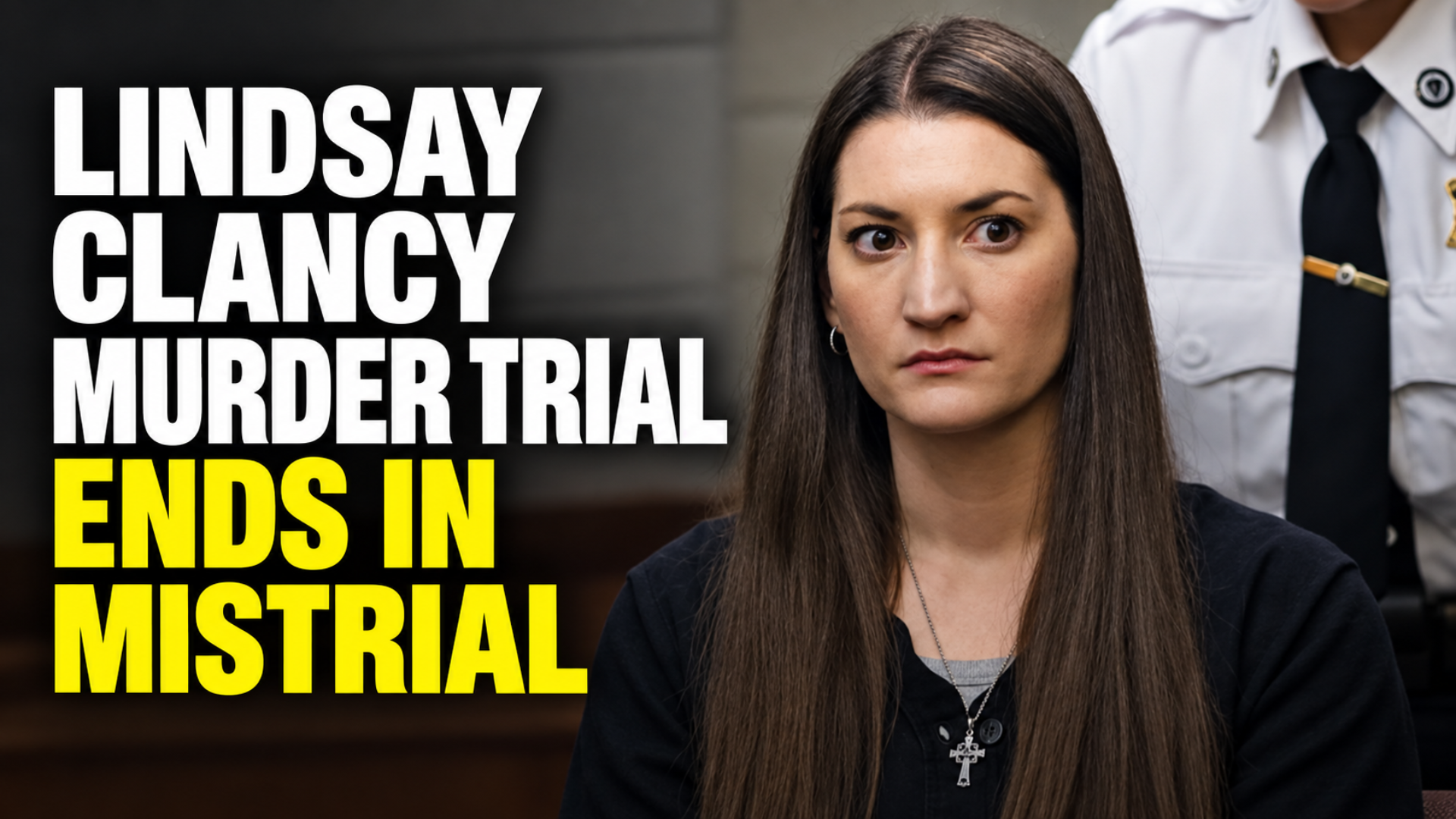
Image Source: Instagram
| Quick Report: A Massachusetts judge declared a mistrial in Lindsay Clancy’s murder case after jurors reported for a third time that they could not reach a unanimous verdict. The jury remained deadlocked after seven days and approximately 36 hours of deliberations. Before the mistrial was finalized, Clancy’s defense unsuccessfully sought emergency intervention from Massachusetts’ highest court over the alleged conduct of a holdout juror. Prosecutors have not decided whether to retry Clancy, who remains charged with three counts of first-degree murder in the deaths of her children, Cora, Dawson and Callan. |
Lindsay Clancy’s Massachusetts murder trial has ended without a verdict after jurors remained deadlocked despite days of deliberations and repeated instructions to continue considering the case.
Plymouth Superior Court Judge William Sullivan formally declared a mistrial on September 4 after the jury reported for the third time that it could not reach a unanimous decision. The panel of nine women and three men had deliberated for seven days and approximately 36 hours following a trial that included several weeks of testimony about Clancy’s conduct and mental condition.
The mistrial does not constitute either a conviction or an acquittal. It leaves the charges unresolved and allows Plymouth County prosecutors to decide whether to bring the case before another jury.
Plymouth County District Attorney Timothy Cruz said no immediate decision had been made about whether Clancy would be retried. A status hearing is scheduled for September 29.
The mistrial follows Brownstone Law’s previous report that the Clancy jury had declared itself deadlocked while Judge Sullivan continued directing jurors to deliberate.
Judge Declares Mistrial After Third Deadlock Notice
The jury first informed the court that it was unable to reach a unanimous verdict after several days of deliberations. Judge Sullivan initially declined to end the trial and instructed the jurors to continue reviewing the evidence.
Jurors subsequently reported that they remained divided. The court provided additional instructions intended to encourage further discussion without requiring any juror to abandon an honestly held position.
On September 4, the jury notified the court for a third time that further deliberations were unlikely to produce a unanimous verdict. Judge Sullivan determined that the jury was irretrievably deadlocked and announced that he would declare a mistrial.
The formal conclusion of the trial was temporarily delayed when Clancy’s defense requested time to seek emergency intervention from the Massachusetts Supreme Judicial Court.
Defense Raises Concerns About Alleged Holdout Juror
The final stage of deliberations included a dispute concerning one member of the jury.
According to jury communications discussed in court, the panel was divided 11-1.
The defense maintained that the other 11 jurors favored a verdict based on lack of criminal responsibility. However, the jury did not return a formal verdict establishing how any individual juror had voted.
Clancy’s attorneys alleged that the holdout juror was refusing to apply the court’s instructions concerning reasonable doubt, rather than simply reaching a different conclusion from the other jurors.
Defense attorney Kevin Reddington asked Judge Sullivan to conduct a more detailed inquiry into the juror’s conduct and consider whether the juror should be removed. If a juror had been removed for legally sufficient cause, an alternate potentially could have been seated and instructed to begin deliberations anew with the remaining jurors.
Judge Sullivan declined to remove the juror or conduct the additional inquiry requested by the defense. He concluded that the information presented to the court did not justify further interference with the jury’s deliberative process.
Disagreement over how evidence should be interpreted ordinarily does not provide sufficient grounds to remove a juror. A court must distinguish between a juror who refuses to follow the law and one who follows the court’s instructions but reaches a conclusion different from that of the other jurors.
Massachusetts High Court Declines to Intervene
After Judge Sullivan announced that he would declare a mistrial, the defense requested a temporary pause so it could seek emergency relief from the Massachusetts Supreme Judicial Court.
The defense filed an emergency petition asking Massachusetts’ highest court to direct the trial judge to investigate the holdout juror more closely and determine whether sufficient grounds existed to remove the juror.
Associate Justice Dalila Argaez Wendlandt considered the request during a brief hearing but denied the requested relief.
Following that decision, Judge Sullivan reconvened the trial court, brought the jurors into the courtroom and formally declared a mistrial. The jury was then discharged, ending the trial without a verdict.
Trial Focused on Clancy’s Criminal Responsibility
Clancy, a 36-year-old former labor-and-delivery nurse, has pleaded not guilty to three counts of first-degree murder arising from the January 24, 2023, deaths of her children at the family’s home in Duxbury, Massachusetts.
Her children were 5-year-old Cora, 3-year-old Dawson and 8-month-old Callan.
The defense did not dispute that Clancy caused her children’s deaths but argued that she lacked criminal responsibility at the time.
Her attorneys maintained that Clancy was experiencing postpartum psychosis and other serious psychiatric symptoms that prevented her from appreciating the wrongfulness of her conduct or conforming her conduct to the requirements of the law. The defense presented evidence concerning her mental health treatment, prescribed medications, and condition during the months preceding the children’s deaths.
Prosecutors argued that Clancy remained criminally responsible and that the evidence showed the killings were intentional and planned. They maintained that her actions before and after the deaths demonstrated awareness and control.
The jury had five possible verdicts to consider: first-degree murder, second-degree murder, manslaughter, not guilty, or not guilty by reason of lack of criminal responsibility. Because the jurors could not unanimously agree, they returned no verdict on any of the three charges.
Mistrial Is Not an Acquittal
A mistrial caused by a hung jury ends the current trial but does not determine whether the defendant is guilty or not guilty.
Because no final verdict was returned in Clancy’s case, prosecutors generally retain the ability to bring the charges before another jury. A retrial following a genuinely deadlocked jury ordinarily does not violate the constitutional prohibition against double jeopardy.
Prosecutors may seek another trial, consider an alternative resolution or decline to retry the case. District Attorney Cruz said his office would meet to evaluate the matter and address its next steps during an official court proceeding.
No decision concerning a possible retrial was announced immediately after the mistrial.
What Happens Next in the Lindsay Clancy Case?
Clancy will remain in custody at Tewksbury State Hospital, where she is receiving psychiatric care. She is paralyzed and uses a wheelchair after suffering serious injuries when she jumped from a second-floor window on the night of her children’s deaths.
The next scheduled proceeding is a September 29 status hearing. The hearing is expected to address the future course of the case, although prosecutors have not confirmed when they will announce whether they intend to seek another trial.
Clancy’s defense has said it will be prepared if prosecutors decide to retry the case. A second trial would require the selection of a new jury and could involve the presentation of much of the same evidence concerning Clancy’s conduct, psychiatric treatment and criminal responsibility.
Until prosecutors announce their decision or the court issues another order, the three first-degree murder charges remain unresolved.
Disclaimer: This article is provided for general informational purposes and is based on publicly available reporting and court proceedings involving Lindsay Clancy. The mistrial did not determine guilt or innocence, and no verdict was returned. Clancy is presumed innocent unless and until proven guilty beyond a reasonable doubt. Statements concerning the parties’ allegations, legal arguments, jury communications, and evidence presented at trial should not be treated as judicial findings unless expressly identified as such. This article does not constitute legal advice.