Last Updated: September 30, 2026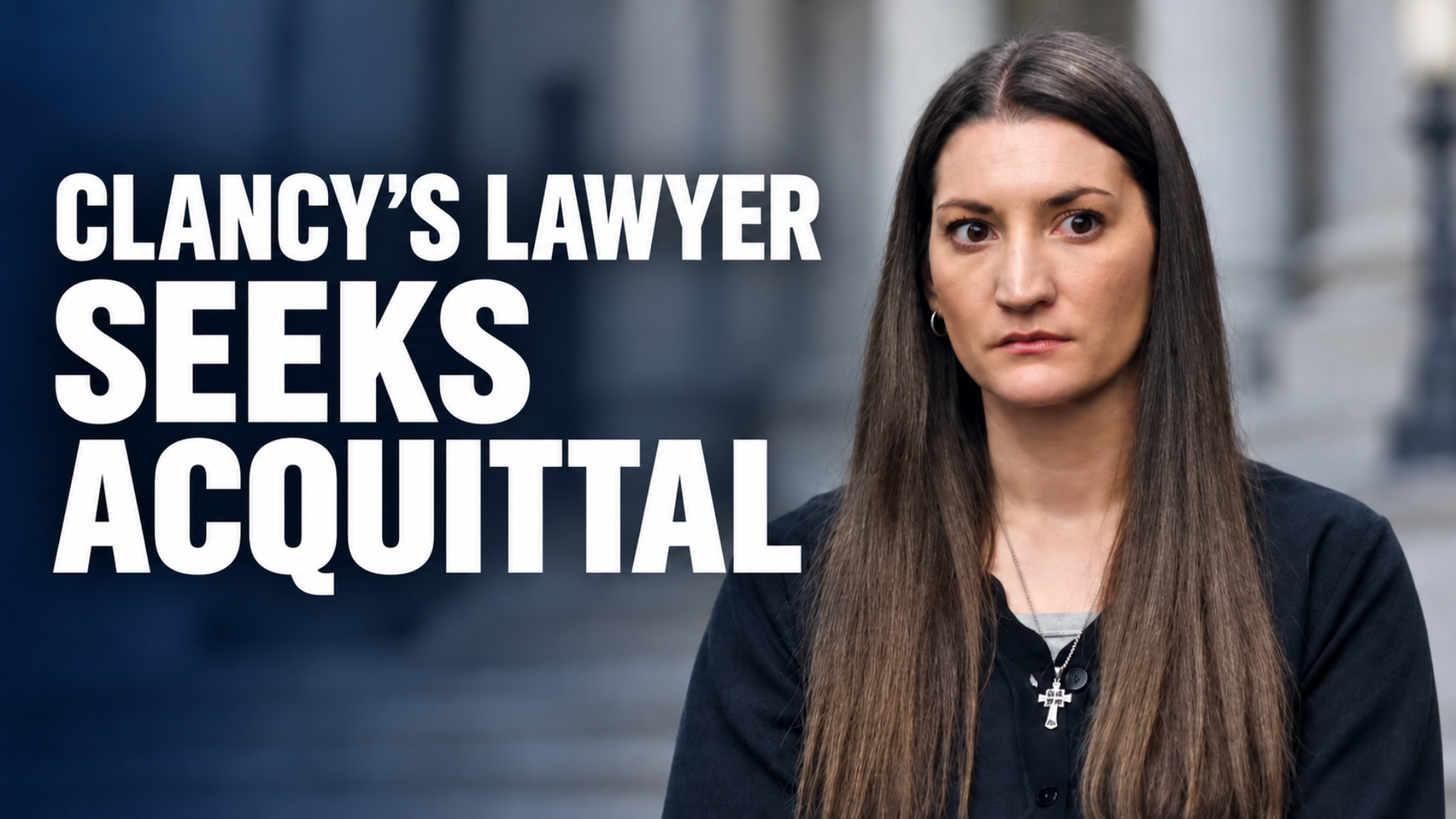
Image Source: Instagram
| Quick Report: Lindsay Clancy’s attorney asked a Massachusetts judge on September 29 to acquit her, arguing that prosecutors had not presented sufficient evidence that she killed her three children. The hearing followed the September 4 mistrial. Judge William Sullivan did not grant the request or set a retrial date. The next hearing is scheduled for November 2. |
Lindsay Clancy’s Lawyer Challenges Evidence in Bid for Acquittal
Defense attorney Kevin Reddington argued at the Plymouth Superior Court hearing that the prosecution’s case relied on speculation and that investigators had failed to establish that Clancy committed the killings.
The argument introduced a different emphasis from the defense presented at trial. During the trial, the defense did not dispute that Clancy killed her children but maintained that mental illness left her without criminal responsibility. The September 29 challenge questioned whether prosecutors had proved that she carried out the acts themselves.
These assertions are defense arguments, not findings by the court.
Prosecutors Oppose Lindsay Clancy’s Acquittal Request as Judge Reserves Decision
Prosecutor Shanan Buckingham opposed the defense’s argument, telling the court that the evidence identified Clancy as responsible for the children’s deaths. She also noted that the defense had not previously disputed whether Clancy killed them.
Judge Sullivan took the defense request under advisement, leaving it pending. The hearing did not result in an acquittal or dismissal of the charges.
Lindsay’s Murder Trial Ended in a Mistrial After Jury Deadlock
Clancy’s trial ended on September 4 after the jury could not reach a unanimous verdict following seven days of deliberations.
The case concerns the January 2023 deaths of her children, Cora, 5, Dawson, 3, and eight-month-old Callan, in Duxbury, Massachusetts. Her defense attributed her actions to postpartum psychosis. Prosecutors disputed that she lacked criminal responsibility, maintaining that she knowingly committed the killings.
The jury’s deadlock left those competing positions unresolved by a verdict.
Prosecutors Seek Gag Order Over Public Statements in the Case
Prosecutors have requested restrictions on public statements by participants in the case, arguing that extensive publicity and comments about the evidence and jurors could affect a future jury.
Reddington disputed suggestions that he had attacked the holdout juror. Sullivan did not impose the requested order at the hearing. He said the request raised significant constitutional issues and would receive further consideration before arguments on November 2.
Requests for Dismissal and Holdout-Juror Inquiry Remain Unresolved
The defense has also sought dismissal on double-jeopardy grounds and further examination of the holdout juror’s conduct. Its argument includes the claim that the court should have investigated concerns about the juror before declaring a mistrial.
That position remains contested; it is not a judicial finding that misconduct occurred.
Brownstone Law previously covered the related confidentiality ruling in Judge Keeps Lindsay Clancy Jury Records Sealed After Mistrial. That order concerned access to juror records and did not resolve the defense’s requests for dismissal or a juror investigation.
Lindsay Clancy’s Next Hearing Set for November 2; No Retrial Date Scheduled
Clancy’s next hearing is scheduled for November 2, 2026. No retrial date was set on September 29.
Further discussion is expected concerning pending motions, the requested juror inquiry, and possible trial scheduling. November 2 is a hearing date, not the start of a new trial.
Disclaimer: This article provides general news and legal information, not legal advice. It reflects reporting available as of September 30, 2026. Defense allegations and prosecution arguments are not judicial findings. Subsequent proceedings may change the case’s status.