Last Updated: September 1, 2026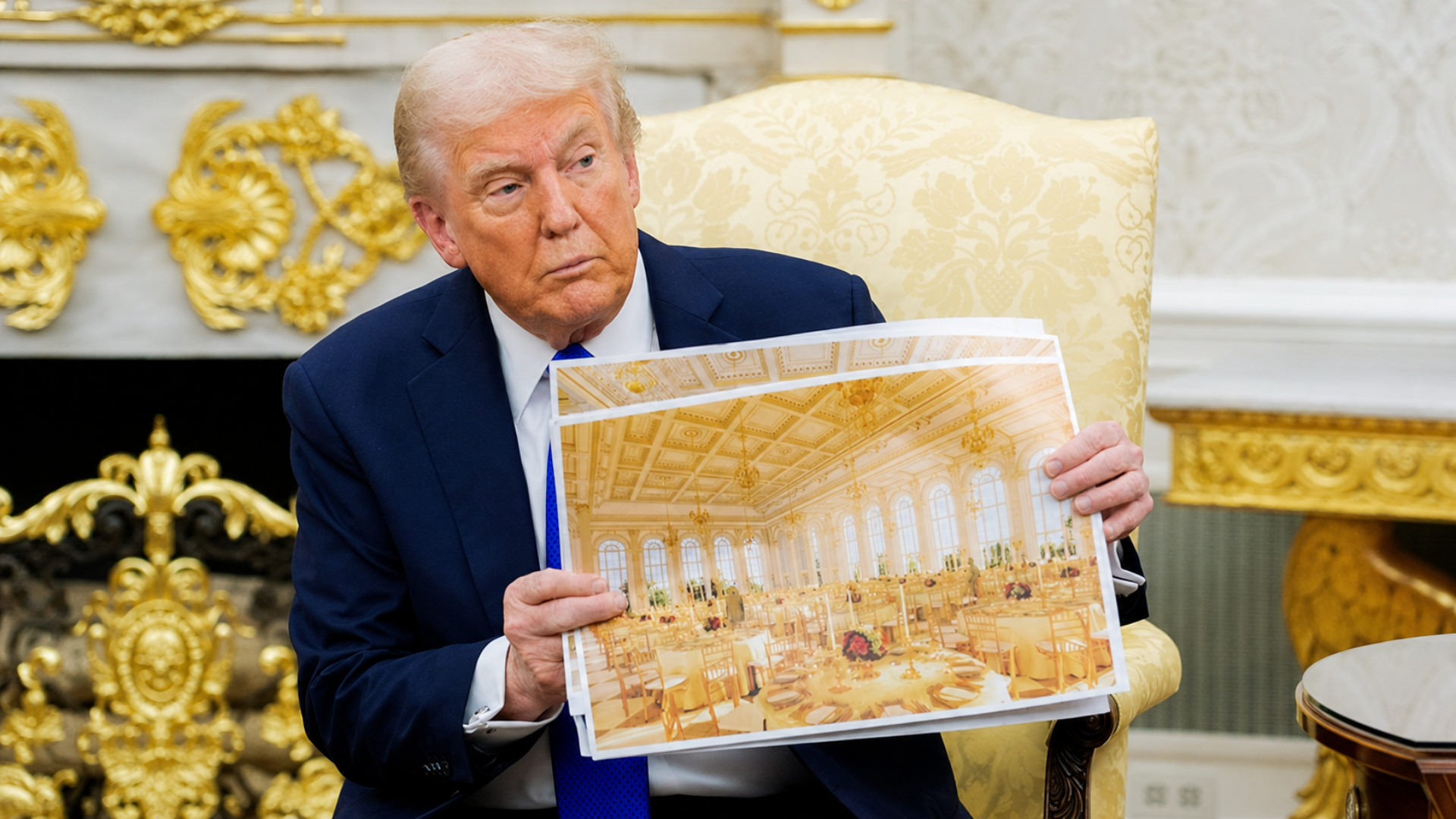
Image Source: Instagram
| Quick Report: The U.S. Supreme Court has granted the federal government’s request to stay an injunction restricting construction of the White House East Wing ballroom project. The August 31 order allows construction to continue while the government pursues further Supreme Court review. Chief Justice John Roberts dissented from the decision, joined by Justices Sonia Sotomayor, Elena Kagan and Ketanji Brown Jackson. The Court emphasized that its ruling does not finally decide whether the ballroom project itself is lawful. |
The U.S. Supreme Court has allowed construction of President Donald Trump’s White House ballroom project to continue while litigation over the development remains pending.
In an August 31, 2026 order, the Court granted the federal government’s application to stay a preliminary injunction that had restricted portions of above-ground construction associated with the White House East Wing project.
The decision replaces the temporary administrative stay that Chief Justice John Roberts issued earlier while the full Court considered the government’s request.
Brownstone Law previously reported on that temporary order in Chief Justice Roberts Temporarily Stays Injunction in White House Ballroom Case.
Supreme Court Focuses on Standing
The dispute was brought by the National Trust for Historic Preservation, which challenged the East Wing redevelopment project and sought to prevent construction from moving forward.
In granting the stay, the Supreme Court concluded that the federal government was likely to succeed on its argument that the National Trust lacked Article III standing to pursue the challenge.
The Court also determined that the government had shown potential irreparable harm if construction remained blocked and that the balance of equities favored allowing the project to proceed while further review continues.
However, the Court specifically stated that it was not deciding whether the East Wing project itself is lawful.
Chief Justice Roberts Dissents From Full Court’s Decision
Chief Justice Roberts dissented from the August 31 ruling, even though he had previously issued the temporary administrative stay.
Roberts was joined by Justices Sonia Sotomayor, Elena Kagan and Ketanji Brown Jackson.
In his dissent, Roberts questioned the legality of the ballroom construction under federal law and disagreed with the majority’s conclusion regarding the National Trust’s standing.
The result means that the lower-court injunction will remain blocked while the federal government seeks further Supreme Court review.
Brownstone Law also previously reported on the government’s national-security arguments in support of continuing construction in Trump Administration Cites Security Risks as Supreme Court Weighs White House Ballroom Stay.
If the government files a petition for Supreme Court review, the stay can remain in effect while the justices consider whether to take the case. If the Court ultimately declines review, the stay will end. If review is granted, the stay can remain in place through further Supreme Court proceedings.
For more information about how this type of order works, read Brownstone Law’s guide on what a Supreme Court stay means and how it works.
Disclaimer: This article is provided for general informational purposes and reports on ongoing federal litigation. The Supreme Court’s August 31, 2026 order stays the preliminary injunction but does not finally determine whether the White House East Wing ballroom project is lawful. Further court proceedings may change the procedural status of the case. This article does not constitute legal advice.