
What Is Legal Standing? Requirements for Bringing a Case in Federal Court
Key Takeaways Legal standing determines whether a plaintiff can ask a federal court to resolve a particular dispute. Under Article III, the plaintiff generally must establish a concrete and particularized injury, a sufficient connection between that injury and the challenged conduct, and a likelihood that the requested relief will redress the injury. The three elements […]
What Is Injunctive Relief? Types and Legal Requirements

Key Takeaways The principal forms of injunctive relief are temporary restraining orders, preliminary injunctions, and permanent injunctions, while injunctions may also be classified as prohibitory or mandatory based on what they require. A federal temporary restraining order addresses immediate and irreparable harm and, when issued without notice, generally lasts no more than 14 days unless […]
What Does It Mean To Plead No Contest? Legal Effects and Appeal Rights
Key Takeaways A no-contest plea, also known as nolo contendere, allows a defendant to resolve a criminal charge without formally admitting guilt, but it can still result in a criminal judgment and sentence. By pleading no contest, a defendant generally gives up important trial rights, including the right to require the prosecution to prove the […]
What Is a Hung Jury and What Happens Next?
Key Takeaways A hung jury occurs when jurors cannot reach the agreement required to return a valid verdict after deliberations. A jury’s initial disagreement does not automatically result in a mistrial. The judge may order jurors to continue deliberating or provide additional instructions. A jury may return a partial verdict on charges it has resolved […]
What Happens at a Preliminary Hearing? Felony Process, Evidence, and What Comes Next
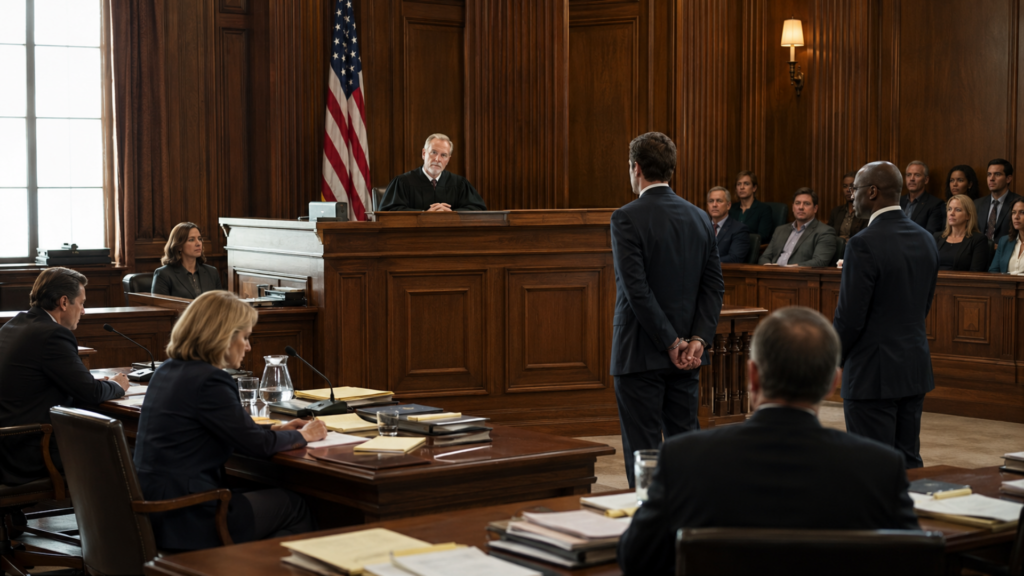
Key Takeaways – A preliminary hearing determines probable cause, not guilt or innocence. Prosecutors generally present enough evidence to show that a crime was committed and that the defendant probably committed it. Defense attorneys may cross-examine prosecution witnesses and challenge whether the evidence satisfies the applicable standard. At a preliminary hearing, prosecutors present evidence to […]
Why Would a Lawyer Withdraw From a Case? 7 Reasons Explained

Key Takeaways A lawyer may withdraw from a case for several reasons, including conflicts of interest, ethical or legal concerns, nonpayment of fees, lack of client cooperation, a serious breakdown in communication, or the client choosing new counsel. A lawyer cannot always simply leave an active court case. An attorney who has formally appeared may […]
How Supreme Court Attorneys Navigate Complex Legal Frameworks

Key Takeaways The U.S. Supreme Court mainly hears cases involving important federal or constitutional questions, conflicts among lower courts, federal statutory interpretation, and other issues with broader legal significance. Most cases get to the Supreme Court through a petition for a writ of certiorari after proceedings in a federal appellate court or qualifying state court, […]
12 Top Strategies to Increase Your Chances of Winning a Commutation of Sentence
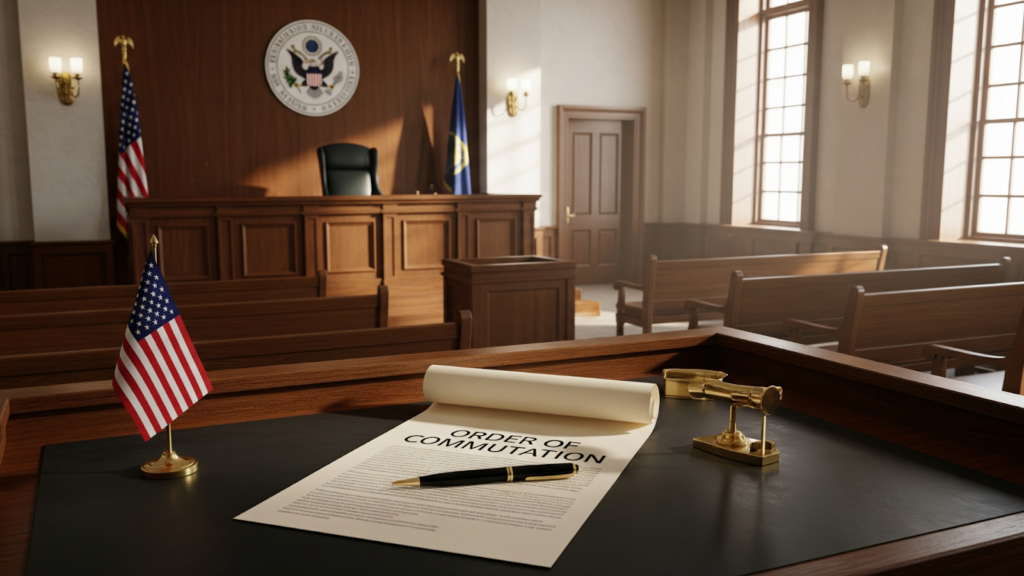
Discover effective strategies to improve your chances of winning a commutation of sentence. Learn key legal approaches, tips for presenting your case, and how to demonstrate rehabilitation, good conduct, and other factors to increase your likelihood of success.
What Is an Interlocutory Appeal? When Can You Appeal Before a Final Judgment?

Most appeals are filed only after a trial court enters a final judgment. However, in limited circumstances, a party may seek appellate review while the case is still pending. These are generally known as interlocutory appeals. They are exceptions to the normal final-judgment rule and are available only when a statute, appellate rule, or recognized […]
Can You Sue Someone for Defamation of Character?
Yes, you can sue someone for defamation of character in the United States if their false statement of fact about you was communicated to someone else, caused legally recognized reputational harm, or is otherwise actionable under state law, and the required level of fault can be proven. However, a false or offensive statement does not […]